The Akwa Ibom State Government has reaffirmed its commitment to organised and structured youth empowerment. This commitment follows the successful review and validation of the Akwa Ibom State Youth Policy (2025–2035) and its accompanying Youth Development Roadmap.
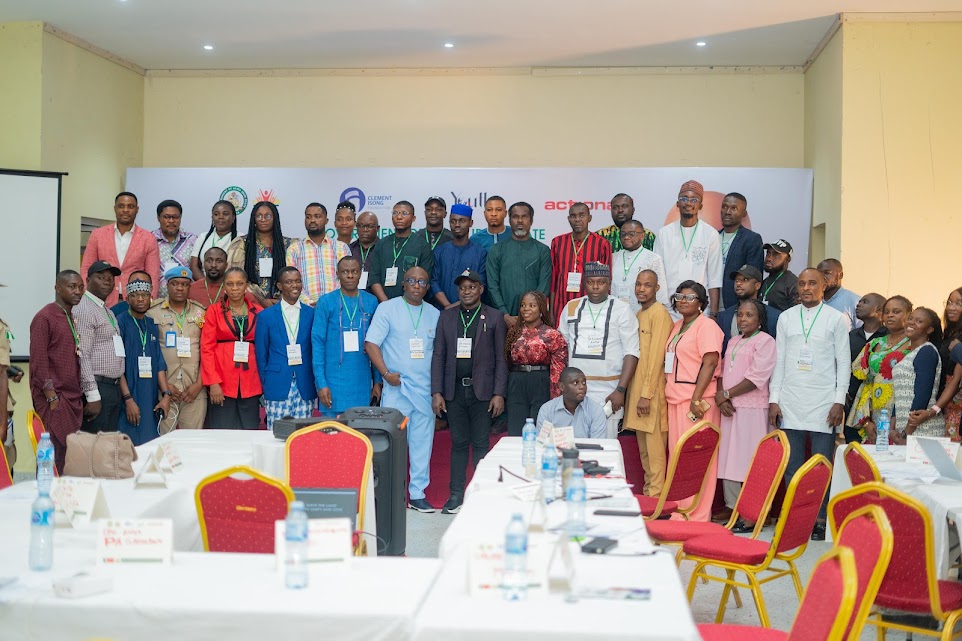
The review and validation took place during a two-day, high-level stakeholders’ roundtable. Specifically, the event was held on August 12-13, 2025, aligning with the global commemoration of International Youth Day.
The Ministry of Youth Development organized the critical roundtable in direct collaboration with the Clement Isong Foundation (CIF), ActionAid Nigeria, and Youth Pride. Our goal was simple: ensure the new 10-year policy is inclusive, data-driven, and fully aligned with the Sustainable Development Goals (SDGs).
High-Level Policy Resolutions
The event brought together senior government officials, development partners, youth leaders, and private sector stakeholders. A Communique, issued at the end of the event, confirmed that stakeholders developed the policy through a highly inclusive and participatory process, meeting best-practice standards.
The stakeholders resolved to fully support the Ministry of Youth Development as it implements the policy and roadmap. Consequently, this document will now serve as the state’s official blueprint for youth advancement.
Key Resolutions and Commitments:
- Youth Development Fund Bill: Stakeholders pledged to facilitate the passage and secure executive assent for the Akwa Ibom Youth Development Fund Bill. This bill will serve as the crucial central financing mechanism for all state youth development programs.
- Youth Parliament Establishment: Participants pushed for the establishment of a fully constituted Akwa Ibom State Youth Parliament. This Parliament will integrate into the Youth Advisory Board to foster legislative engagement and policy input from young people.
- Skills Acquisition & Green Economy: Capacity building and skills acquisition were highlighted as crucial focus areas. Specifically, a resolution was made to promote training in agriculture, ICT, renewable energy, and the creative industry.
- Inclusive Age Limit: To promote equal opportunities, stakeholders resolved to extend the youth age limit to 40 years for persons with disabilities. In addition, they agreed to provide inclusive modalities for all programmes.
- Monitoring and Evaluation: The state will institutionalize a robust Monitoring, Evaluation, and Learning framework. This mechanism will track progress, ensure transparency, and enable course correction over the 10 years.
The Foundation’s Role in Inclusive Governance
Stakeholders acknowledged that the policy’s six strategic thrusts and the roadmap emphasize the need for sustainable financing and broad stakeholder engagement. These principles are ones the Clement Isong Foundation has long championed.
They noted that the Executive Governor of Akwa Ibom State, Pastor Umo Eno, Ph.D., has demonstrated a drive for youth-inclusive governance through various intervention programs. Ultimately, this new policy is designed to formalize and sustain that drive.
The CIF remains committed to its collaboration with the Akwa Ibom State Government and development partners. We aim to ensure the effective implementation of this policy, leading to tangible, positive changes for the youth of the South-South region.